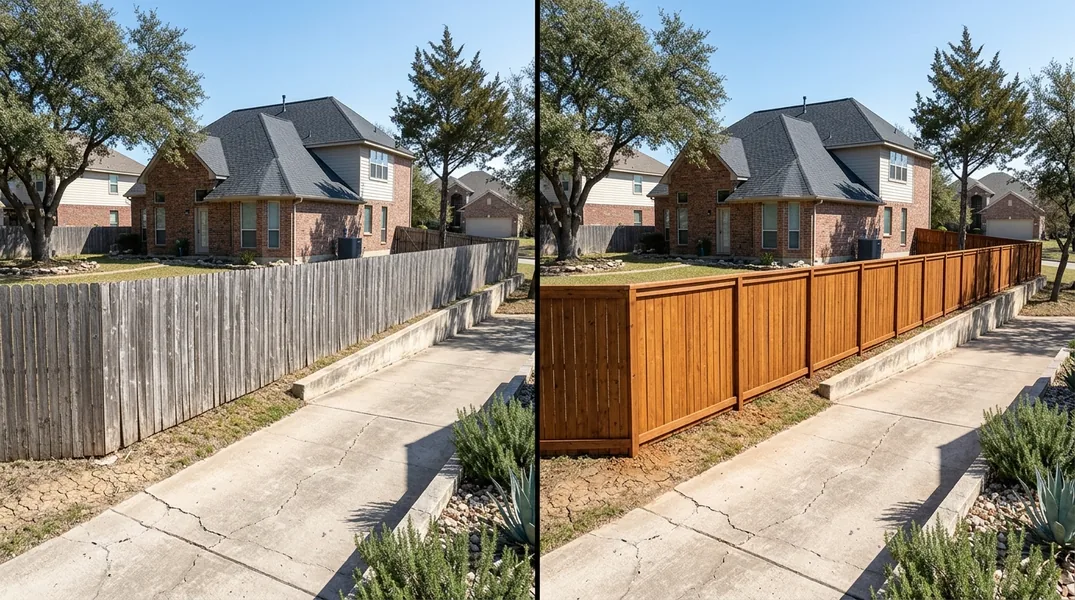
Understanding Freeze Damage to Austin Fences
When temperatures plummet below freezing in Austin, your fence faces invisible but serious threats. Hard freezes, especially rare ones that catch homeowners off guard, can cause significant structural damage to fencing materials that were never designed to withstand prolonged sub-freezing conditions. The culprit is simple physics: water expands when it freezes. Any moisture trapped in wood fibers, vinyl seams, or metal joints can expand and contract repeatedly during freeze-thaw cycles, creating stress fractures and weakening the overall integrity of your fence.
Wood & Privacy Fence Installation is popular throughout Austin because of the aesthetic appeal and natural beauty wood provides. However, wood is particularly vulnerable to freeze damage. When water penetrates the wood grain and freezes, it expands and can cause splitting, warping, and surface checking (small surface cracks). These issues don't just affect appearance; they compromise the structural strength of fence posts and panels, potentially leading to leaning sections or panels that need replacement after a severe freeze.
How Different Fence Materials React to Hard Freezes
Not all fence materials respond equally to freezing temperatures. Understanding how your specific fence type handles the cold is essential for recognizing damage early and planning repairs. Wood & Privacy Fence Installation homeowners should know that untreated or poorly sealed wood absorbs moisture readily, making it especially susceptible to freeze damage. Pressure-treated lumber has better resistance, but it's not immune, particularly in areas where water pools or where the fence is exposed to constant moisture.
Vinyl & PVC Fence Installation offers better freeze resistance than wood because vinyl doesn't absorb water. However, vinyl becomes brittle in extreme cold, and repeated freeze-thaw cycles can cause cracks, especially at connection points and where panels meet posts. Metal fencing, including Aluminum & Ornamental Iron Fencing, can develop rust if the protective coating is compromised by freeze damage, and welds become more brittle in cold. Chain Link Fence Installation typically handles freezing well since water drains through it easily, but the galvanized coating can be damaged if ice accumulates heavily on the mesh.
Visible Signs of Freeze Damage to Watch For
After a hard freeze, inspect your fence carefully for these telltale signs of damage. In wood fences, look for vertical splits running along the grain of posts and horizontal boards. These cracks often appear on the side of the fence facing prevailing winds or receiving the most sun exposure. Warping, where boards bow or twist out of their original plane, is another common indicator. You might also notice that sections of the fence have shifted slightly out of alignment or that previously tight joints now have visible gaps.
For vinyl fences, scan for white stress cracks or crazing patterns in the material, particularly around the base of posts and along horizontal rails. The fence might also feel loose at connection points where the freeze expansion has loosened fasteners. With metal fencing, look for rust spots that weren't present before, surface cracks in welds, or loose bolts and fasteners. Any of these signs warrant prompt attention, as freeze damage typically worsens over time if left unrepaired. If you notice significant damage, contacting a professional for a free estimate is the best first step.
Immediate Actions to Take After a Freeze
If Austin experiences a hard freeze, don't rush to repair everything immediately. Instead, wait a day or two after temperatures return to normal before assessing damage. This allows the fence materials to return to their normal state, giving you a clearer picture of actual damage versus temporary expansion. Take photos of any cracks, gaps, or obvious damage for documentation purposes, especially if you plan to file an insurance claim.
For minor issues like loose fasteners or small surface cracks, you might address these yourself. Tighten any bolts or screws that have loosened, and consider applying a wood sealant to small cracks in wood fencing to prevent water infiltration. However, major structural issues like significant splits in wood, large cracks in vinyl, or rust in metal fencing require professional attention. Austin Fence Contractors can assess the full extent of freeze damage and recommend whether repair or replacement makes the most sense for your situation. Call us at (737) 237-0592 to discuss what you've observed.
Repair and Replacement Options After Freeze Damage
The decision to repair or replace fence sections depends on the severity of damage and the age of your fence. If your fence is relatively new and damage is localized to one or two sections, repair is often the most economical choice. A single damaged panel or post can be replaced without affecting the rest of the fence. However, if your fence is aging and shows widespread damage across multiple sections, full replacement may be more cost-effective in the long run. Older fences that have already weathered several freeze cycles may be nearing the end of their lifespan anyway.
When considering replacement, this is an excellent opportunity to upgrade to a more freeze-resistant material or to improve your fence's design. If you've had ongoing issues with a wood fence, Vinyl & PVC Fence Installation offers superior durability in freeze conditions. Similarly, if you have a pool fence or need one installed, understanding pool fence code requirements ensures your replacement meets all local safety standards, including proper pool fence height requirements and a functioning self closing pool gate. Austin Fence Contractors can help you navigate these requirements while selecting materials best suited to our climate.
Prevention Strategies for Future Hard Freezes
While you can't prevent freezing temperatures, you can take steps to minimize freeze damage to your fence going forward. Proper drainage is crucial. Ensure water doesn't pool around fence posts or along the base of panels. If your yard has drainage issues, consider installing a French drain or grading the soil to direct water away from the fence line. For wood fences, apply a high-quality water-repellent sealant every two to three years. This reduces water absorption, which is the primary cause of freeze damage in wood. Pay special attention to the tops of posts and any horizontal surfaces where water naturally collects.
Regular maintenance also plays a preventive role. Keep your fence in good repair year-round so that minor issues don't compound when freeze-thaw cycles occur. Inspect caulking and sealants annually, and reapply where needed. If you're planning new fence installation, discuss freeze-resistant options with Austin Fence Contractors. We can recommend materials and installation techniques specifically suited to protecting your investment against Austin's occasional hard freezes. For a consultation on the best approach for your property, contact us at (737) 237-0592 or request a free estimate today.
Looking for a professional tree service in Austin? Austin Fence Contractors responds fast for all your fence needs.
Get a Free Quote